
The days we don’t talk about.
Some days on the farm feel heavier than others. Long hours, weather uncertainty, financial stress, and isolation can take their toll. These are the days we don’t talk about…but we should.
Stories that matter.
-
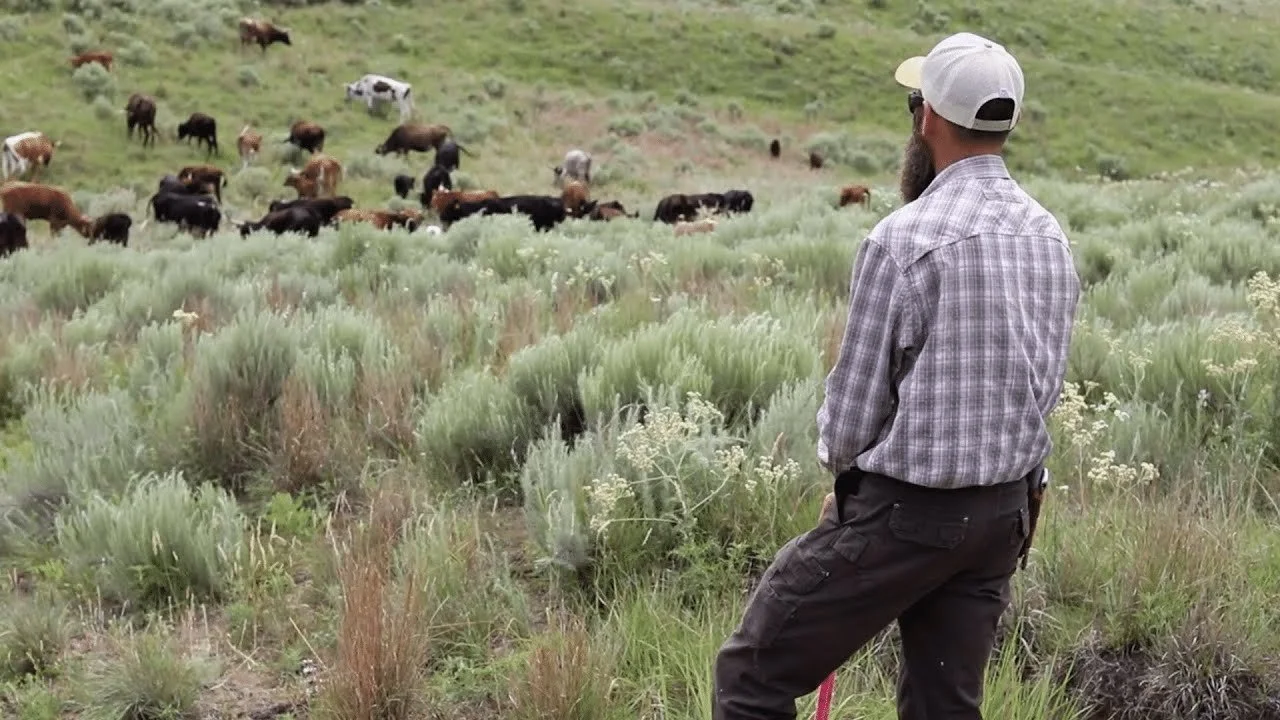
Hidden Struggles.
In this video, multiple farmer share their personal experience with stress and emotional challenges tied to farming life, revealing the pressures many in agriculture face and why talking about mental health matters
-
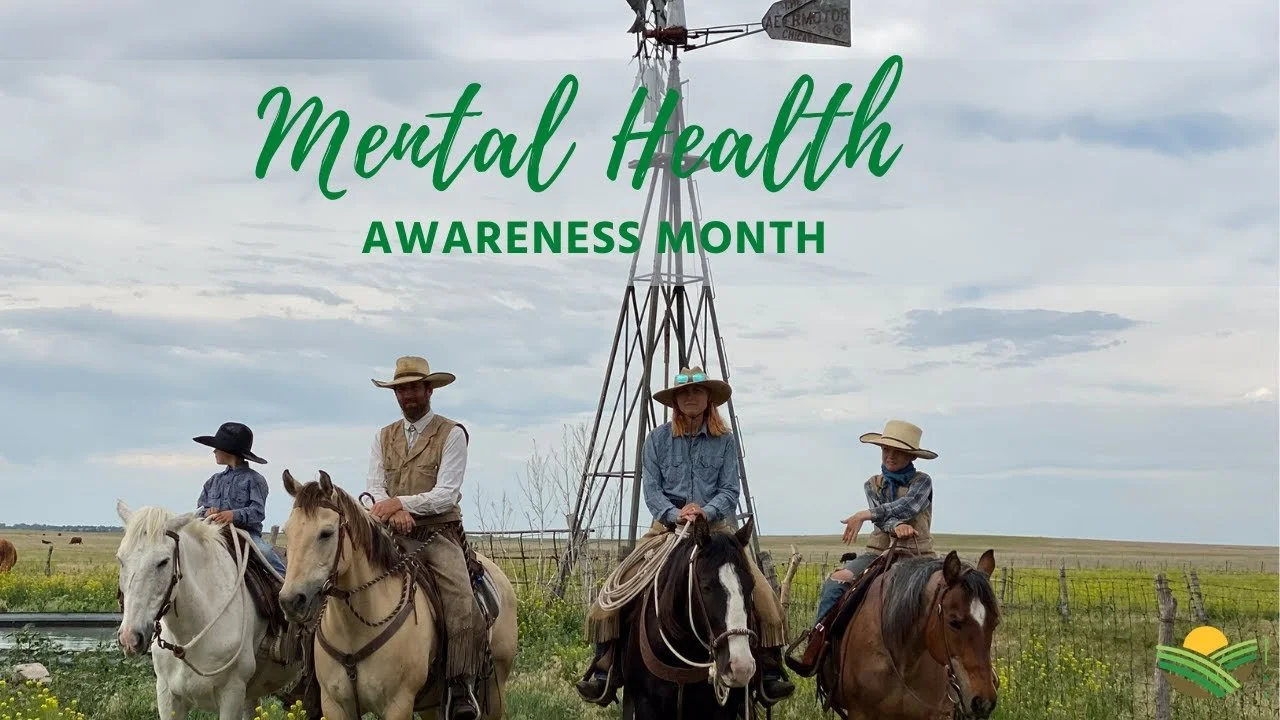
Silent Pressure
This video explores the quiet but heavy pressures farmers and ranchers face every day, from isolation to uncertainty, and why acknowledging these challenges is so important.
-
Breaking Silence
This video features farmers and ranchers opening up about their personal mental health experiences, breaking the silence and reminding us that connection and conversation can make a difference.
What to look for.
Start the conversation.
You don’t need the perfect words. A simple
“Hey, I’ve noticed you’ve seemed stressed lately. How are you really doing?”
can open the door to an honest conversation.
Listen without fixing.
Sometimes people don’t need advice, they need to be heard. Listen without judging, interrupting, or rushing to solve the problem. Being present is powerful.
One conversation isn’t always enough. Keep checking in. Invite them along. Send a message. Show up. Consistent support reminds people they’re not carrying this alone.

Stay connected.
You know your people. You notice when something feels off, fewer calls, shorter answers, more frustration, more silence. Trust that instinct. Noticing early can make all the difference.
Notice the change.
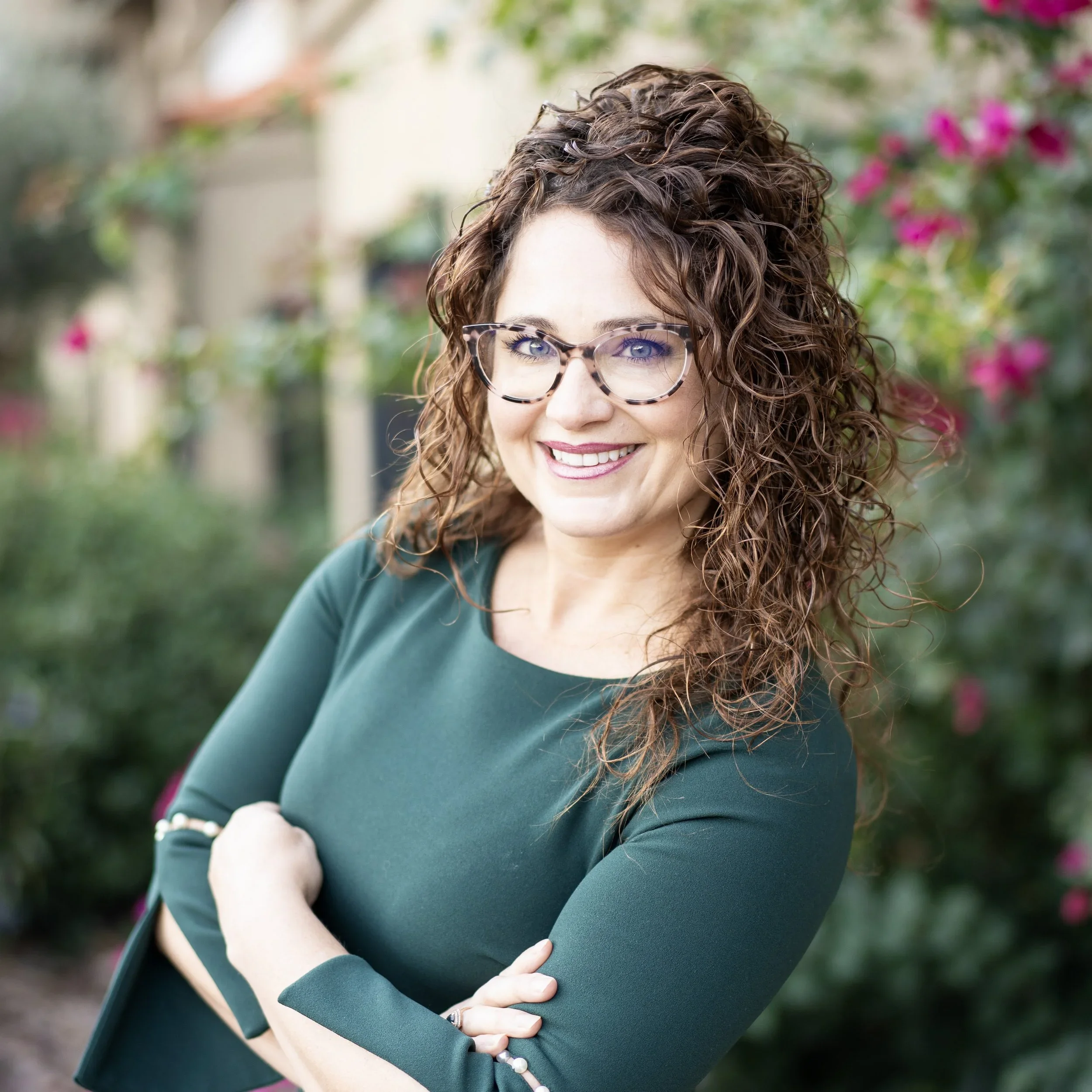
“There is a saying people use a lot: 'if you're thinking about a question, someone else is thinking it too, so just ask it,' and I think about that sentiment sometimes in the broader sense. No matter how isolated or lonely you might feel, there is always someone out there who feels the same; therefore, you're not alone, and someone is willing to listen and help. All you have to do is ask.”
- Ashley McDonald
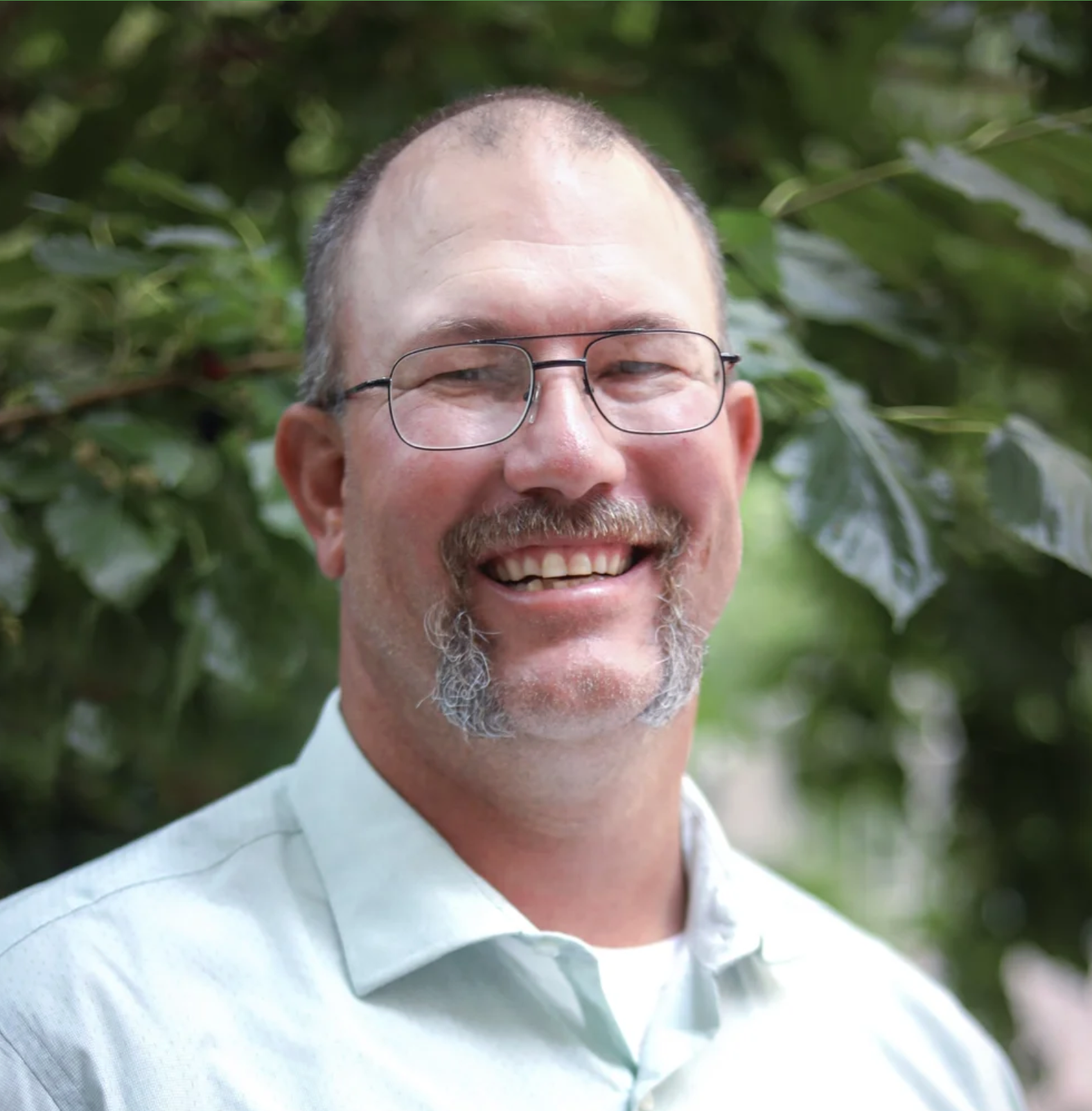
“The difference between failure and experience is knowledge! In today's world, everything is measured as much in failures as success. When we start to realize that the only time we truly fail is when we don't learn from something, we begin gaining experience that leads to an attitude of success. That attitude builds everything we do.”
- Ryan Sexson
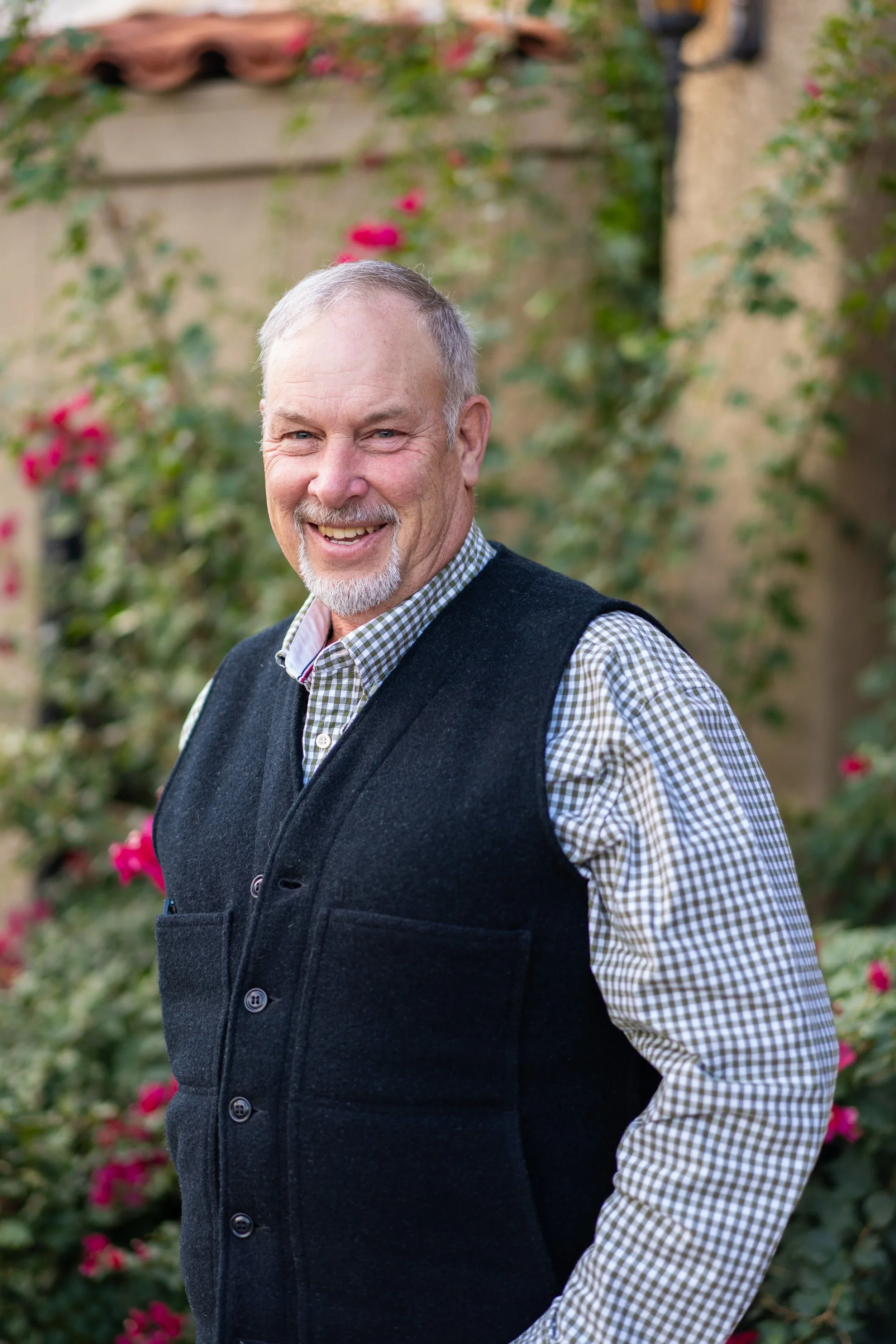
“The struggle to ask for help is real. We all need help sometimes. Help is just a conversation away.”
- Troy Bishopp
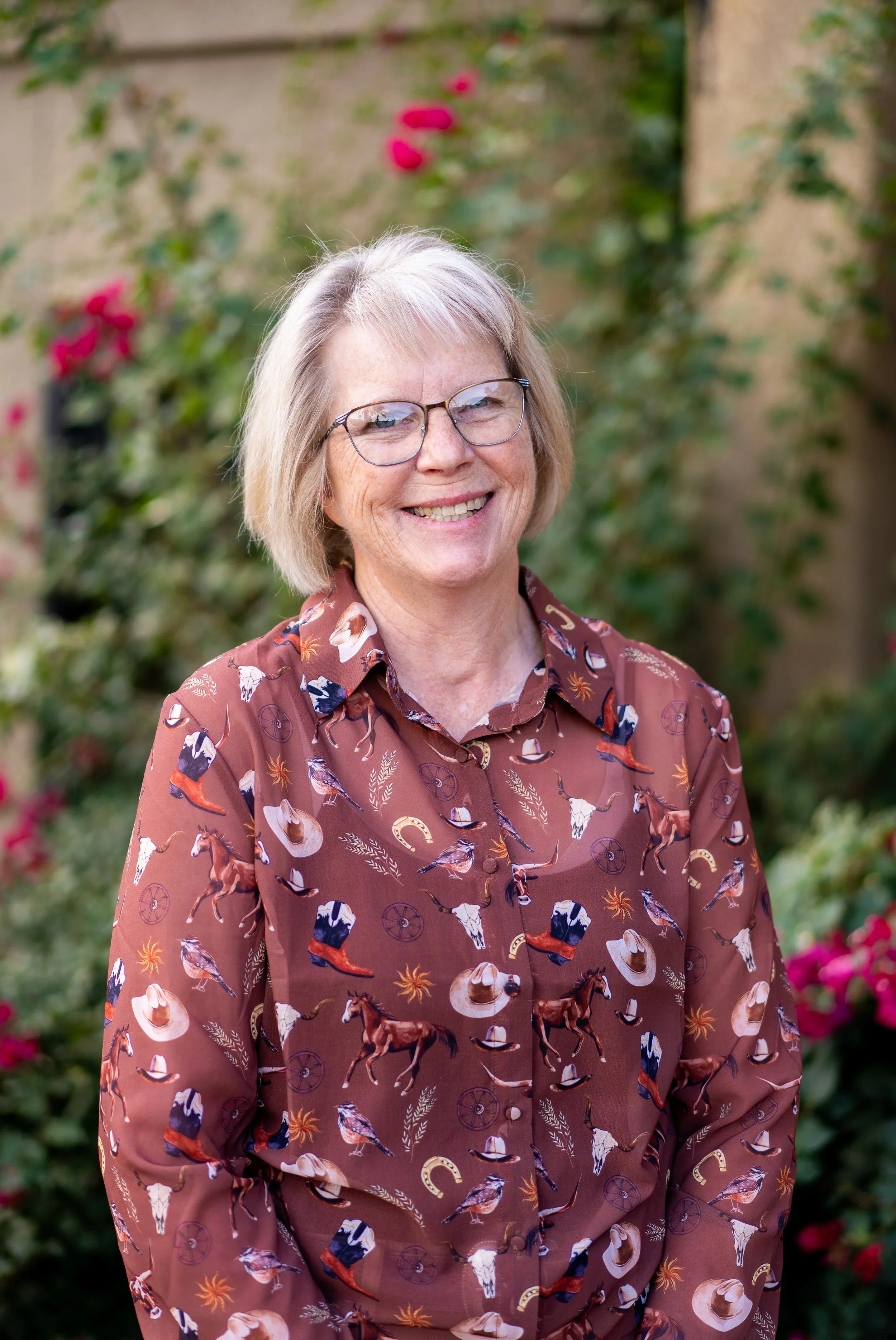
"Resilience is a reciprocal relationship; we need the land that we steward, and it needs us."
- Natalie Allio

“Yesterday does not exist anymore, Tomorrow does not exist yet. So we only have NOW. You have survived 100% of the difficult times. Give yourself some grace, some time and enjoy today.”
- Jesse LeFevre
Help is here.
You don’t have to face this alone.
Support is available — for you and for those you care about.
When you call or text 988, a trained counselor will answer and listen without judgment. The conversation is confidential, free, and available 24/7. You don’t need to be in crisis to reach out, just overwhelmed or needing support.
-
A national initiative focused on supporting farmers and ranchers through mental health awareness, education, and access to resources.
Offers toolkits, crisis support connections, and peer programs.
Click here.
-
Local extension offices provide education, stress management programs, and referrals to mental health professionals familiar with agricultural life.
Contact your county extension office for local support.
-
An anonymous, online peer support community available 24/7.
Connect with others who understand stress, isolation, and mental health challenges.
Click here.
Mental Health Across the Years
Key considerations.
-
43 per 100,000 male farm/ranch managers died by suicide (vs 27 per 100K men overall)
Sets the stage: suicide risk in agriculture is significantly higher than in the general population
-
Western farmers/ranchers: ~75% reported moderate to high anxiety about climate change impacts on their farms
-
BRFSS survey: 55,253 adults (2,773 in farming)
Adjusted rates of poor mental health days and depression were similar to non-farmers
Suicide risk remains elevated despite reported symptom similarity
-
58% of farmers/farmworkers reported increased stress compared to 2019 (AFBF survey)
Context: COVID-19, financial pressure, isolation
-
Male agriculture workers: 49.9 per 100,000 (CDC occupational data)
Highlights persistent high risk
-
Pennsylvania survey: widespread stress among animal agriculture producers
Top stressors: financial uncertainty, family pressures, fear
Barriers to care: cost, stigma, and limited availability
-
Western U.S. farmers: 27% reported moderate to severe depression
Stress from wildfires, workloads, and unpredictable climate events
Emphasizes the need for farm-informed mental health support
-
The U.S. Senate designated May 29, 2024 as Mental Health Awareness in Agriculture Day, emphasizing national attention on stress and suicide risk among farmers and ranchers.
Reporting from this year shows that farmers remain at about 3.5× higher suicide risk than the general population, highlighting persistent emotional and occupational pressure.
-
282 Chapter 12 farm bankruptcy filings (12 months ending June 30)
55.8% national increase from prior year
68.3% increase in the Southern region