
Livestock & Pasture Health Resource Hub
Click on the pest below to link to curated resources to help identify, prevent, and manage invasive pests and protect grazing operations across the United States.
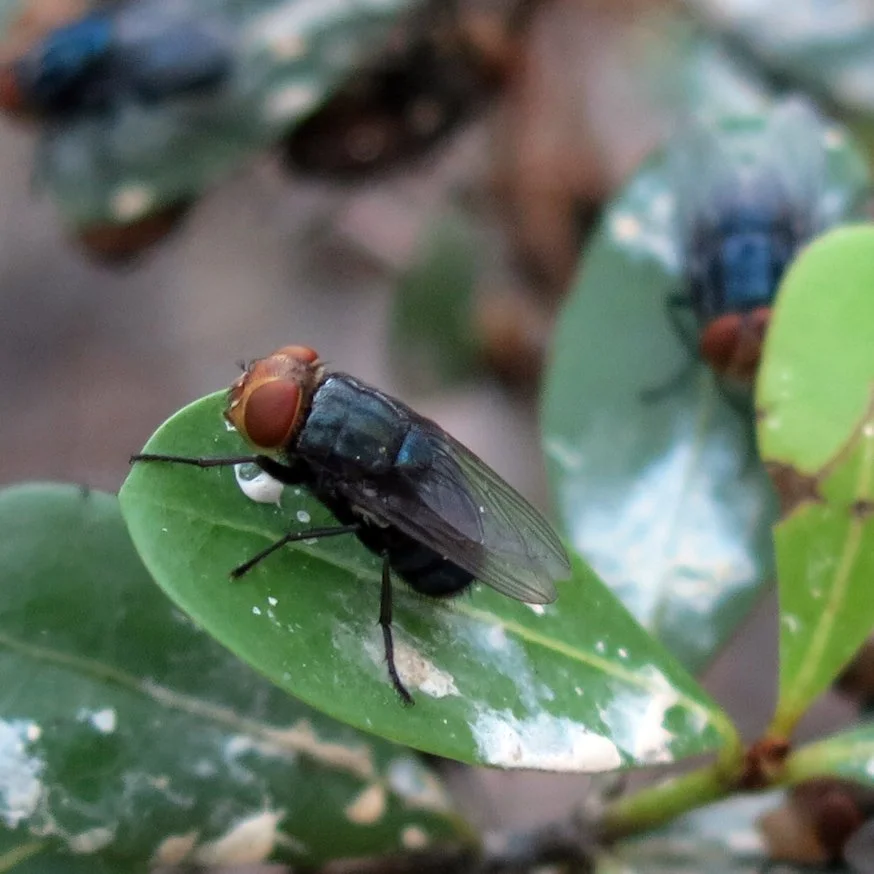
New World Screwworm (NWS)
As concerns about New World Screwworm continue to grow, livestock producers are looking for practical ways to protect animal health and strengthen the resilience of their operations. Join the National Grazing Lands Coalition for a producer-focused discussion featuring two livestock producers, a veterinarian, and NatGLC's Linda Pechin-Long as host, who will share perspectives on preparedness, biosecurity, animal observation, and management practices to help reduce risk and improve response readiness.
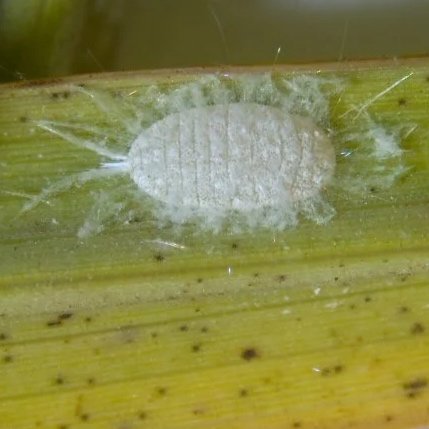
Pasture Mealybug
This insect is a newly recorded species in the United States. Researchers hypothesize that the insect may have been introduced before 2022. This pest was first described in Australia in 1928, and the first detection of this species in the Western Hemisphere occurred in the Caribbean between 2019 and 2020.
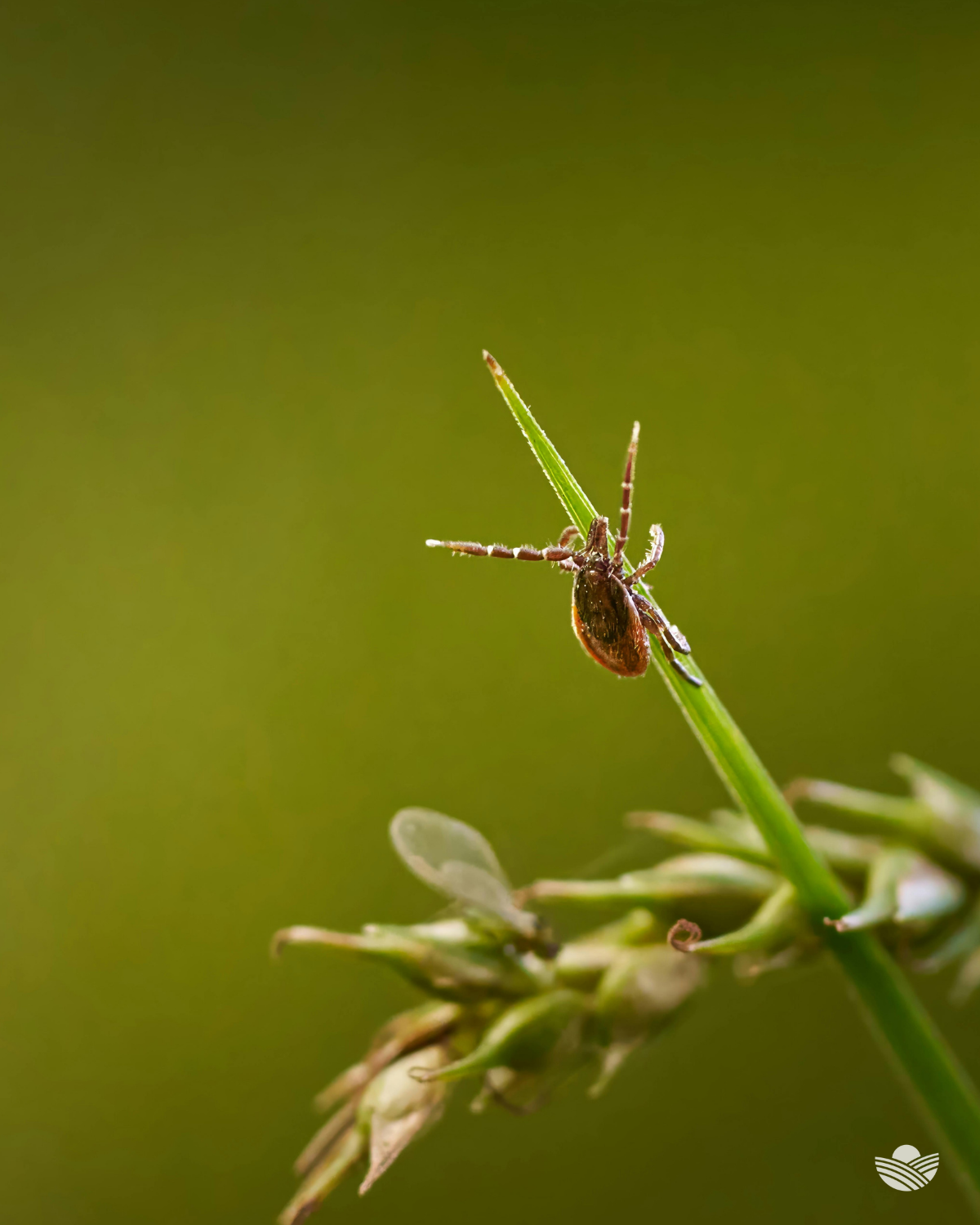
Ticks
Certain ticks and flies (also called vectors) can injure people and animals, transmit disease, and threaten American agriculture. APHIS has put in place measures to prevent the entry, establishment, and spread of exotic vectors. These safeguards include import inspections, testing, identification, surveillance, and targeted response and treatment strategies.
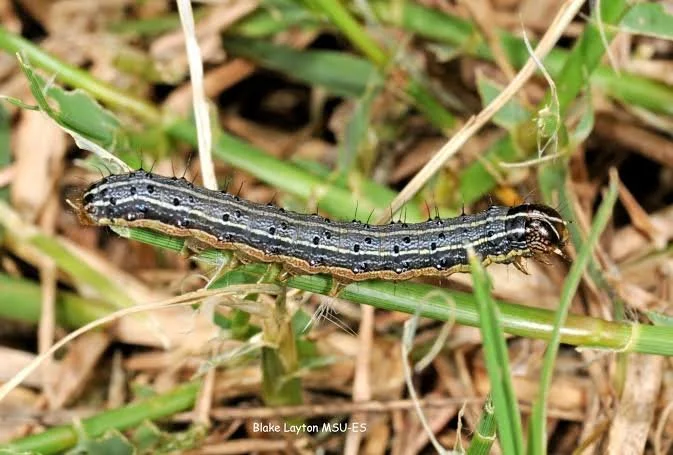
Fall Armyworms
In a grazing context, the fall armyworm is a highly destructive agricultural pest that mainly targets high-quality, well-managed forage grasses like Bermudagrass, Bahiagrass, and tall fescue.
The larvae, which are recognizable by an inverted "Y" pattern on their heads, hatch from fuzzy egg masses and march across pastures in massive numbers
More on
Invasive Insects
Learn more from AgriLife Extension agents and specialists providing timely educational resources, management recommendations, and updates on emerging invasive species.