
Grazing Domestic Sheep Around Wild Sheep Populations
By Kendra Young
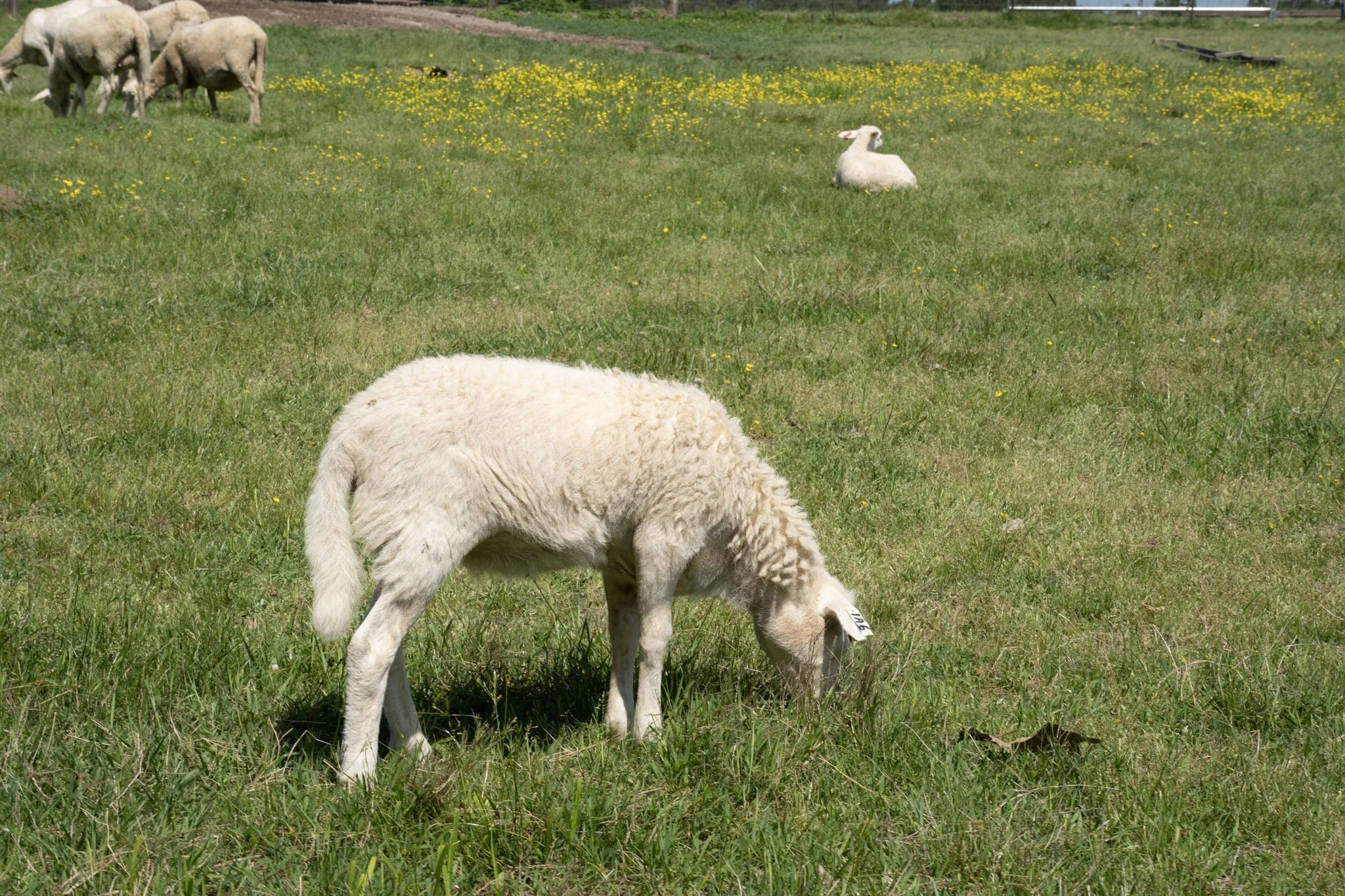
Under the general guideline of a “multi-use” landscape, grazing livestock are just one use alongside many others. Other examples of such uses can include recreation, mining, energy development, and wildlife habitat. Normally, all of these uses can coexist on the same landscape and thrive. However, some of these uses are not compatible with each other, and either cannot be on the same landscape or have certain rules or regulations governing their overlap to ensure the best outcomes possible.
Grazing domestic sheep in bighorn sheep habitat range is one such example of an undesirable overlap. One that requires necessary regulations and extra precautions to protect all resources and animals present in the environment. Due to potential disease spread (specifically respiratory diseases such as Mycoplasma ovipneumoniae), bighorn sheep and domestic sheep should not occupy the same range at the same time to decrease the risk of contact and potential disease spread among individual animals. This overlap of range or habitat or lack thereof, can pose a problem in western states that have prevalent wild sheep populations as well as large domestic sheep agricultural industries, such as in Montana, Wyoming, and Idaho, if not managed responsibly.
Mycoplasma ovipneumoniae (M. ovi) is a bacteria found in the nasal cavity and sinuses (the respiratory system) of infected animals, (APHIS 2025). M. ovi can infect domestic sheep and domestic goats, as well as wild sheep and wild goats. Different animals can display a wide range of symptoms at varying levels. Symptoms include coughing, head shaking, nasal discharge, respiratory distress, exercise intolerance, and general depression; or animals are often just found dead, (WY G&F 2024). Animals can also be “chronic carriers” of the pathogen – meaning they are infected with the disease, they do not show outward symptoms, but can still shed the bacteria into their environment infecting others. Domestic sheep can be carriers of the bacteria and can transmit it to wild sheep if interactions occur between the two species. If an infection occurs within a bighorn herd, a high mortality event could occur. Common biosecurity measures, such as not overcrowding animals, having adequate ventilation, separating sick and healthy animals, and quarantining new animals can help lessen the spread of M. ovi in domestic flocks; however, there are no identified treatments (vaccines) for M. ovi, (APHIS 2025). Creating space and lessening the likelihood of domestic sheep and wild sheep physically interacting, decreases the potential for interspecies spread.
In areas where both species may be present, there are tools, tests, and concepts available to decrease the risk of disease transmission between individuals. Timing and space are key to limiting the risk of contact between domestic sheep and wild sheep. However, according to the American Sheep Industry, only three percent of federal sheep allotments overlap with occupied bighorn habitat, (ASI 2026). With this low number of allotments, utilizing the landscape to its full capacity should enable both species to thrive.
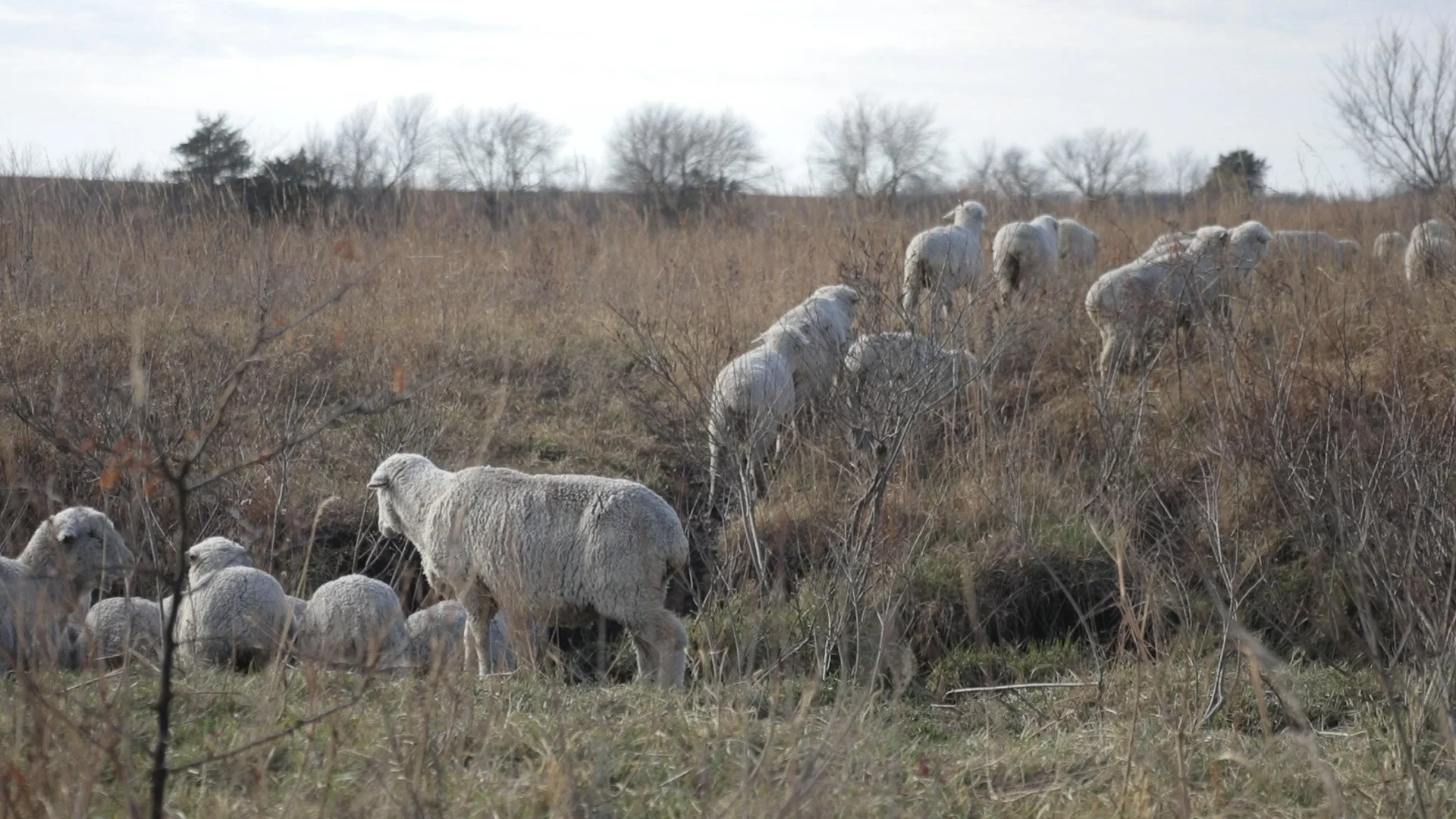
One specific tool to decrease the chance of pathogen spread between domestic sheep and wild sheep in the same area is double fencing. Double fencing is building two parallel fence lines with a buffer zone in between to prevent actual physical contact between animals. Double fencing with an at least one meter “sneeze zone” between fences, are required to accommodate the viability of disease pathogens in airborne mucous, (Zehnder 2006). In this scenario, the inner fence contains the livestock, while the outer fence prevents wildlife from getting close enough for physical contact or to get sneezed on. Double fencing can be cost and time prohibitive and may be more practical in smaller operations or fields.
A second tool is utilizing individual animal testing to detect pathogens in a specific animal or herd. Both bighorn sheep and domestic sheep can be tested for the presence of M. ovi. However, due to cost, regulations, time spent in-task and planning, and operational simplicity, testing domestic sheep and goats is usually much easier than catching and testing their wild counterparts. Testing your entire herd can be expensive and time consuming, but knowing domestic flocks are pathogen-free can go a long way in decreasing the risk of spreading to wildlife in shared habitats. Some regions require domestic animals to be tested before they are allowed to be moved. The Alaska Division of Environmental Health’s Office of the State Veterinarian cites the Alaska Animal Import Regulations as being amended in August of 2021 to include that all sheep and goats imported into the state must now test negative for M. ovi not earlier than sixty days before import and their health certificate must include this test result’s certificate (AK DEC 2026). Pathogen-free animals don’t spread disease to others, allowing for a broader range of grazing lands to be potentially implemented.
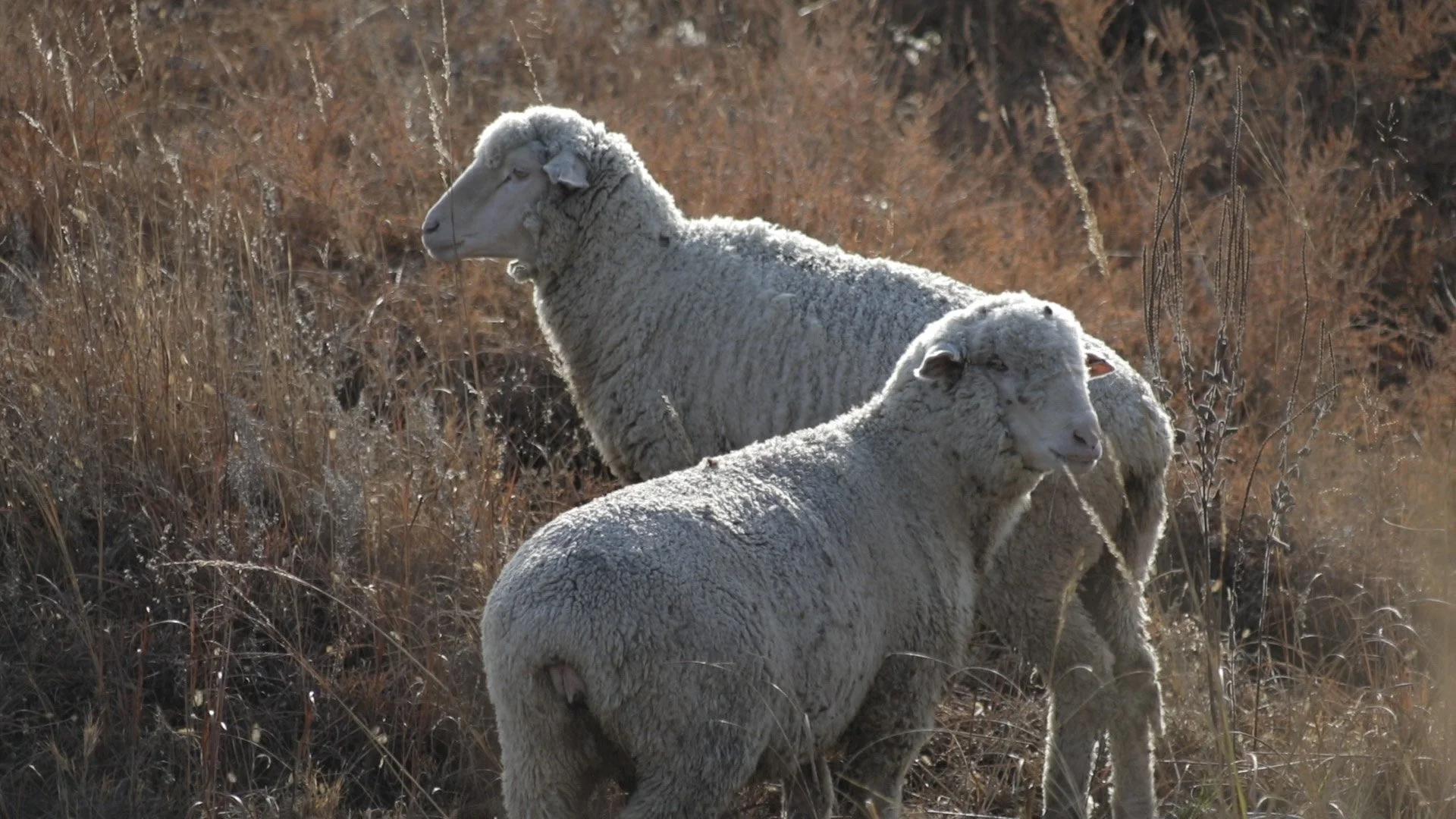
Raising livestock in areas with wildlife populations, like domestic sheep grazing in potential bighorn sheep habitat, should not be a one side versus the other fight. Each species has a reason and a use for being there. A third management tool can be labeled as the cooperative efforts between wildlife managers and the agricultural community. Wyoming is a good example of co-working on the concern. In the early 2000’s, under the direction of then Wyoming Governor Jim Geringer and United States Senator Craig Thomas, personnel from both Wyoming wildlife agencies and agricultural entities partnered together to form the Wyoming Bighorn/ Domestic Sheep Interaction Working Group. The group’s main goal was to “maintain healthy bighorn sheep populations while sustaining an economically viable domestic sheep industry in Wyoming,” (Interaction Working Group 2004). The Final Report and Recommendations of the Interaction Working Group is now simply referred to as the Wyoming Plan, (Cheesbrough 2022). The purpose of the group was to create an open dialogue and for all parties to work together for the betterment of both wild and domestic sheep. The group has worked to identify, and then address, concerns surrounding the management of both species.
Wild sheep and domestic sheep both have a place on the landscape. To prevent unwanted interactions, especially those that result in pathogen transmission, both need to be managed appropriately. With the use of common sense, clean operational biosecurity measures, adhering to policies and regulations, and other management tools, both species can persist on the landscape and thrive upon their natural resources.
Citations
Animal and Plant Health Inspection Service. (2025, July 30). Mycoplasma Ovipneumoniae. USDA APHIS.
Cheesbrough, Katie. (2022). Understanding the Wyoming Plan. Wyoming Wild Sheep Foundation.