Grazing Planning: An Essential Habit
By Troy Bishopp
In the grazing context, I’ve said “If you start well, you’ll generally end well”. Every year you get to start anew and make a plan toward what you want, NOT take what you get. Thomas Edison wrote, “Good fortune is what happens when opportunity meets with planning.”
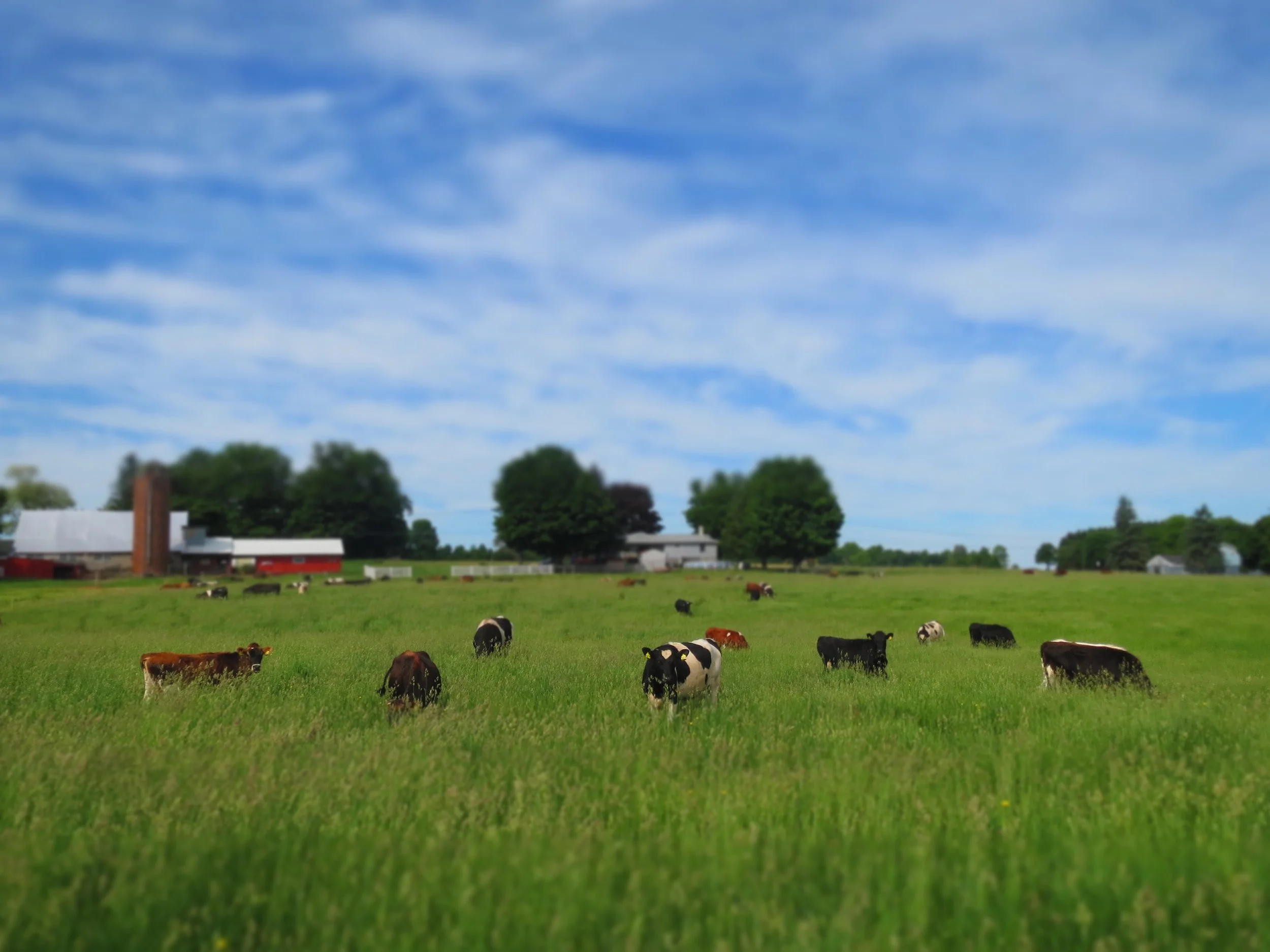
Some of you will invest your time in a grazing plan and decide when it’s the right time for the land and animals to start, some of you will open the barn doors using the same recipe as previous years and some will open up the farm to grazing because you’re out of options and money. I speak from experience of being in these situations and alsohelping my grazing peers through these situations over my 40 years of managing grass. It allows me to broach this subject with some vigor.
Spring grazing is tough enough and tougher still with no grazing plan. You’ve got animals transitioning their rumens to high protein rocket fuel, unpredictable weather and variable grass production in a time that you already have enough to do around the farm or ranch, I’m sure. The grazing plan doesn’t have to be that intimidating if you subscribe to the notion of “ballpark is close enough” because the thinking process is pretty fluid. Remember it’s a plan, not an absolute. Farming or ranching is funny like that!
Lucky for every grazing practitioner, there are FREE grazing planning templates to use in every state in the union developed by state and federal conservation agency partners, technical assistance professionals, extension staff and organizations and businesses that consult with farmers and ranchers. I’ll admit, with so many choices it might be confusing which one to use. I’ve found your own state or regional grazing resource is probably the best option to google.
This audience is lucky to have an infinite amount of grazing planning tools, templates and practical advice with a click of a mouse. As a savvy grazing planning investor, the templates are sometimes buried behind field guides and practice standards and requires some perseverance to get what you want. You can always call or visit a local field office to inquire about getting the planning tools. The point of being a seeker is you drive the planning process instead of someone doing the grazing planning for you. Grazing planning needs to become an essential habit to be effective, even though you are probably rolling your eyes right now.
So what’s in this plan anyway? It’s a written roadmap to get where you want to go.
You’ll hear about the NRCS 9 step planning process which considers the SWAPAE+H (Soil, Water, Air, Plants, Animals, Energy and Human context).

Generally most templates ask you why, what and how as you consider decisions about goals, context, resource inventory/concerns, mapping, balancing forage/animal needs, grazing management strategies, contingency plans, monitoring and evaluation. It also serves as a business management and nutrient management plan as well, if done correctly. My colleague, Charles Rohla from Noble Research Institute says, “Plan the work, then work the plan”.
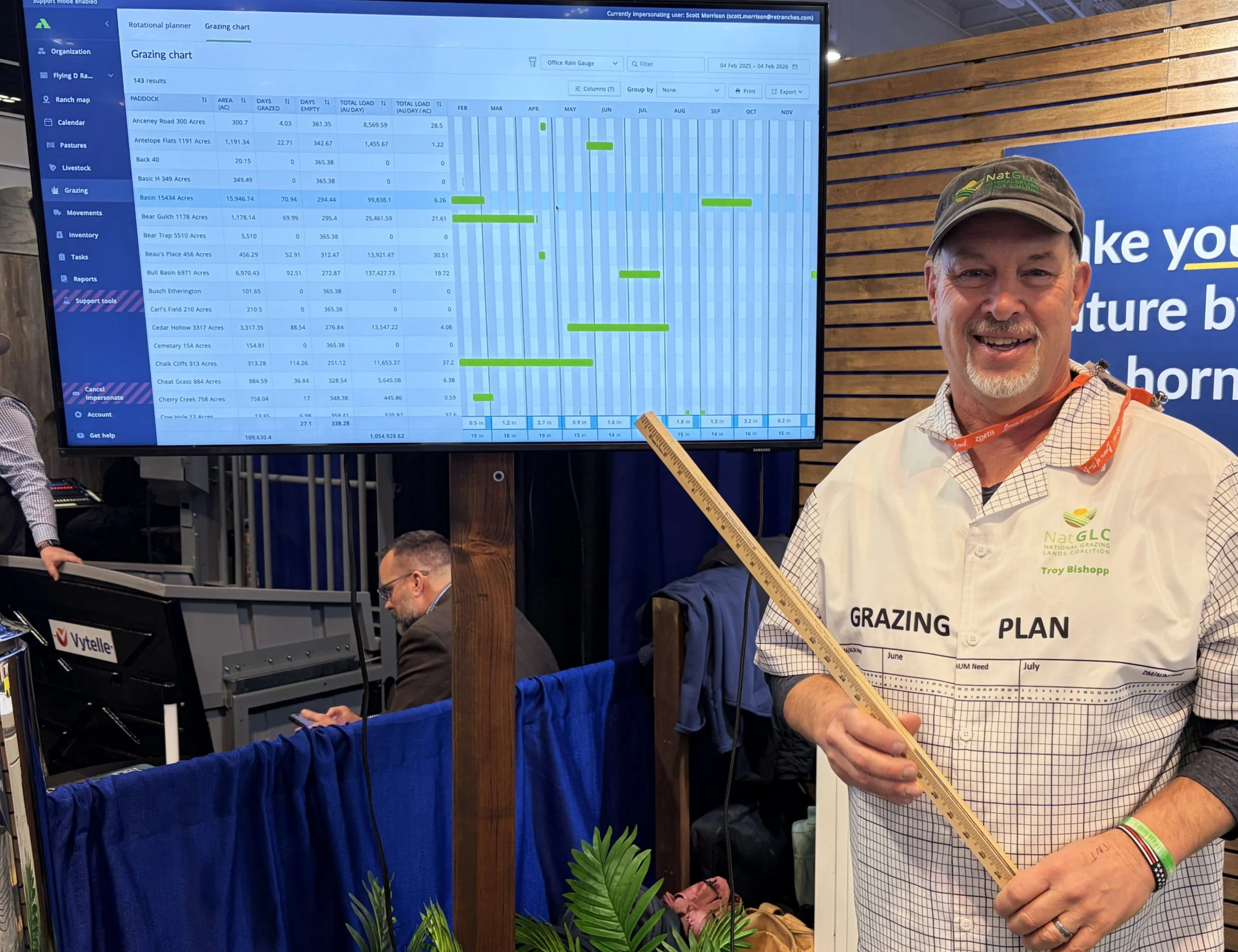
Making this grazing plan come alive is a function of the grazing chart or other decision making and monitoring tool.
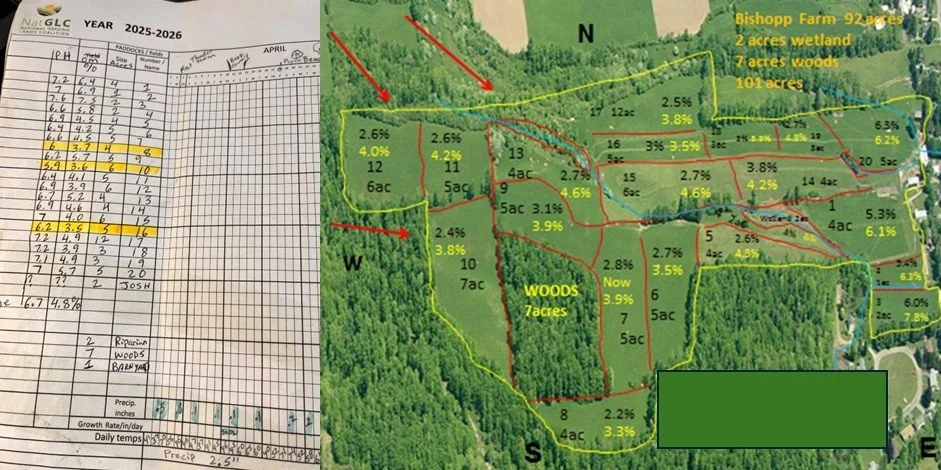
The old adage of "If you can't measure it, you can't manage it" holds true. However, it seems there is some internal strife about taking the plan to paper. I’ve heard from farmers concerned about “doing it right” and “how to do it”. The struggle is real because it’s new and hasn’t become a habit, like brushing your teeth. Since the grazing chart is just a series of boxes and a calendar, the first task is to make sure your grazing map and field delineations are up to date with field names and acres, on how you want to manage, so you can fill in the starting margins.
My early days (15 years ago) of using a grazing chart are the same questions asked today. What should be on it? How do you get started? What’s the right way to do it? How do you plan for the future? What if I’m too busy and can’t keep it current? Is there a recipe I can follow? What do you get when your done with it? The hard part is just starting the process (in pencil) and learning that you can, indeed, erase the pencil marks of future planning because the actual plan will probably be somewhat different.
To get the most out of the decision-making process and tool, I had to commit to the principles laid out by successful grazing practitioners in terms of refining observational skills, measuring forage, balancing forage and animal needs, and implementing grazing management techniques with a field-by-field perspective and constantly monitoring the weather and ensuring recovery periods were appropriate.
I remember it clearly, putting pencil X’s in the boxes where the cattle were grazing. And then taking the leap of faith to write in what the next ten days might look like. And then another 10, and another 10. From there I plugged in known forage inventory from walking all the paddocks and what recovery period I wanted to achieve given the herd’s forage demand. I also wrote down known decision points in the margins above the calendar to plan around, like my daughter’s wedding, speaking gigs, grandchildren days, vacations, stockpiling and frost dates, breeding window, conservation projects, grassland bird fledgling dates and paddock specific grazing management techniques to name a few.
On the bottom columns I monitor moisture and temps which helps to predict forage growth. Since this is a living document all aspects that would help make critical decisions are valuable. Most graziers follow a pretty cyclical schedule in moving animals through the paddocks at first but as paddocks or fields are dropped or added for harvest, the dynamics of keeping a visual forage inventory is crucial.
Your brain may hurt with all the hypothetical scenarios you may plan for but you must keep asking yourself, “What if”? What if it doesn’t rain in the next two weeks? When do I supplement? How do I get more rest on the paddocks? When and where do I utilize a sacrifice area? How long do I want to graze into winter? Is there money in my account and what is my borrowing power? Do I have a destocking strategy? Etc., Etc.
For me, this visual chart coupled with a grazing plan, reduced stress by constantly informing me of conditions on the ground to form battle plans weeks ahead of when I actually needed to speed up or slow down the rotation. Keeping these grazing plans and data is all about resiliency, especially against the future unknowns. To say grazing planning is now a state of mind would be an understatement. I enjoy the 12 month grazing planning and monitoring chart as much as a good game of chess. You have to think about the moves (paddock shifts), measure pasture dry matter, monitor recovery periods and rainfall while adjusting the animal’s ration in hopes of winning Mother Nature’s respect.
It does take practice and a little mentoring to get in the planning groove but I find it to be a profitable management strategy. As I look back on this journey of grazing journaling, it becomes a historic record of decision-making and a place where basic trends start to emerge on how your management is working towards your specific goals.
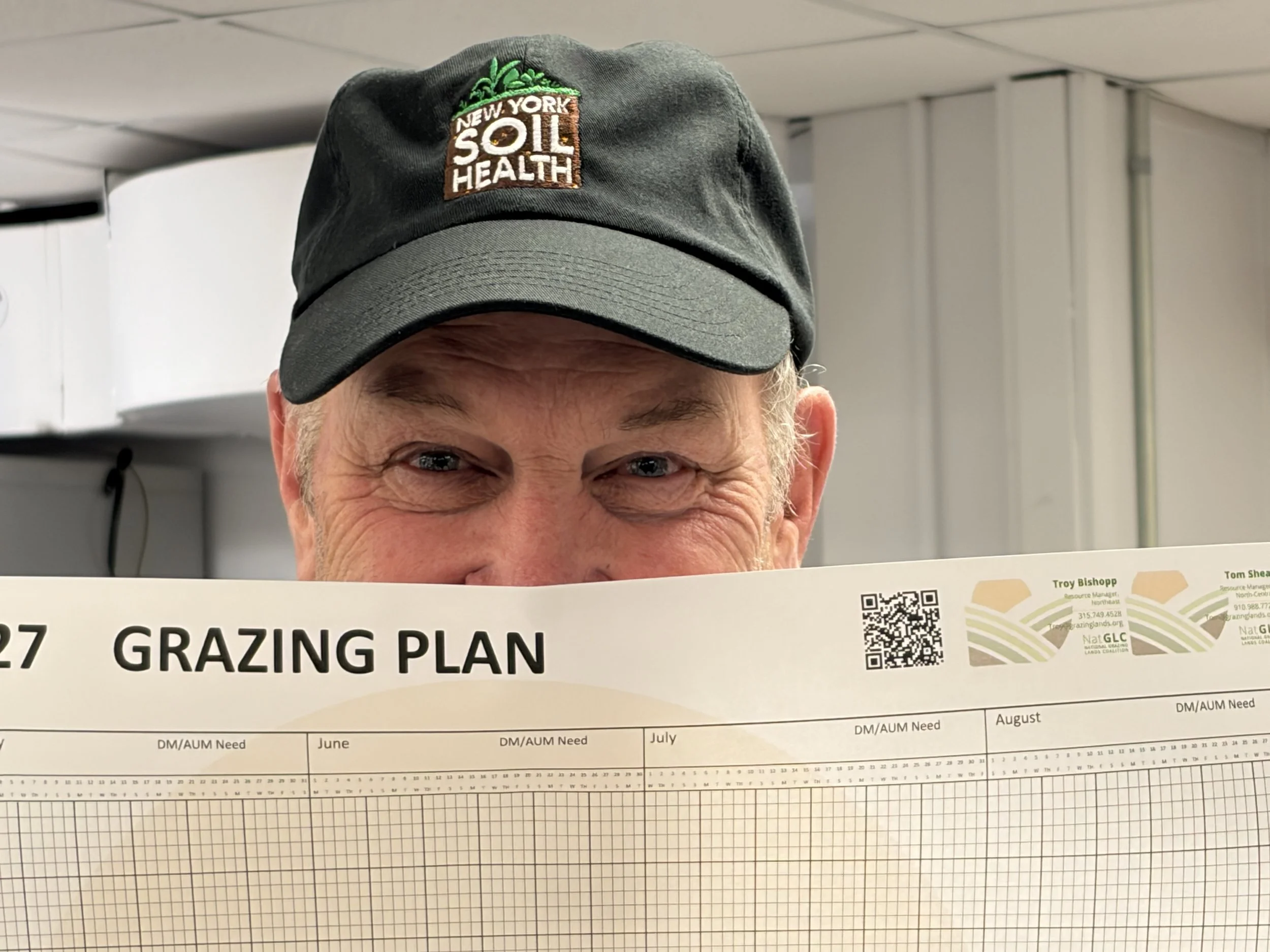
Simple grazing management decision-making tools and using your noggin may be more valuable than increasing outside inputs to solve the weak links in a grazing operation. If you are a visual learner like me, a NatGLC grazing chart might be just the ticket to improve your grazing operation. Remember to stay focused on the things you have some control over. Focusing on the things you have no control over is a waste of time and energy.
To appreciate using grazing planning tools is to measure the ROI of a grazing plan? Use your context to pencil out the benefits. What does adding more grazing days mean for profit? Did the grazing practice increase carrying capacity and lower costs? What’s the value of soil health and biology when you can infiltrate more water by increasing organic matter? Did you get to take a vacation and spend more time with family?
Calculating the ROI of management within all the holistic systems combined has a cumulative effect which I can vouch for, is positive. However, you need good data in to get good data back. There in lies the nuance of using all the decision-making tools and people resources to your advantage.