Virtual Fencing Is Growing Up Fast
Since it’s inception, virtual fencing technology has moved from “promising but finicky” to something far more practical and producer friendly. The pace of innovation has been impressive and one of the biggest shifts has been how quickly manufacturers are rolling out new features in response to real world use. What once took years of development is now happening in months, driven largely by feedback from producers who are actually using these systems on working farms and ranches. I had an opportunity to discuss some of these advancements with virtual fencing companies while at CattleCon. Quite honestly, I was amazed at how far things have come in just the past year.
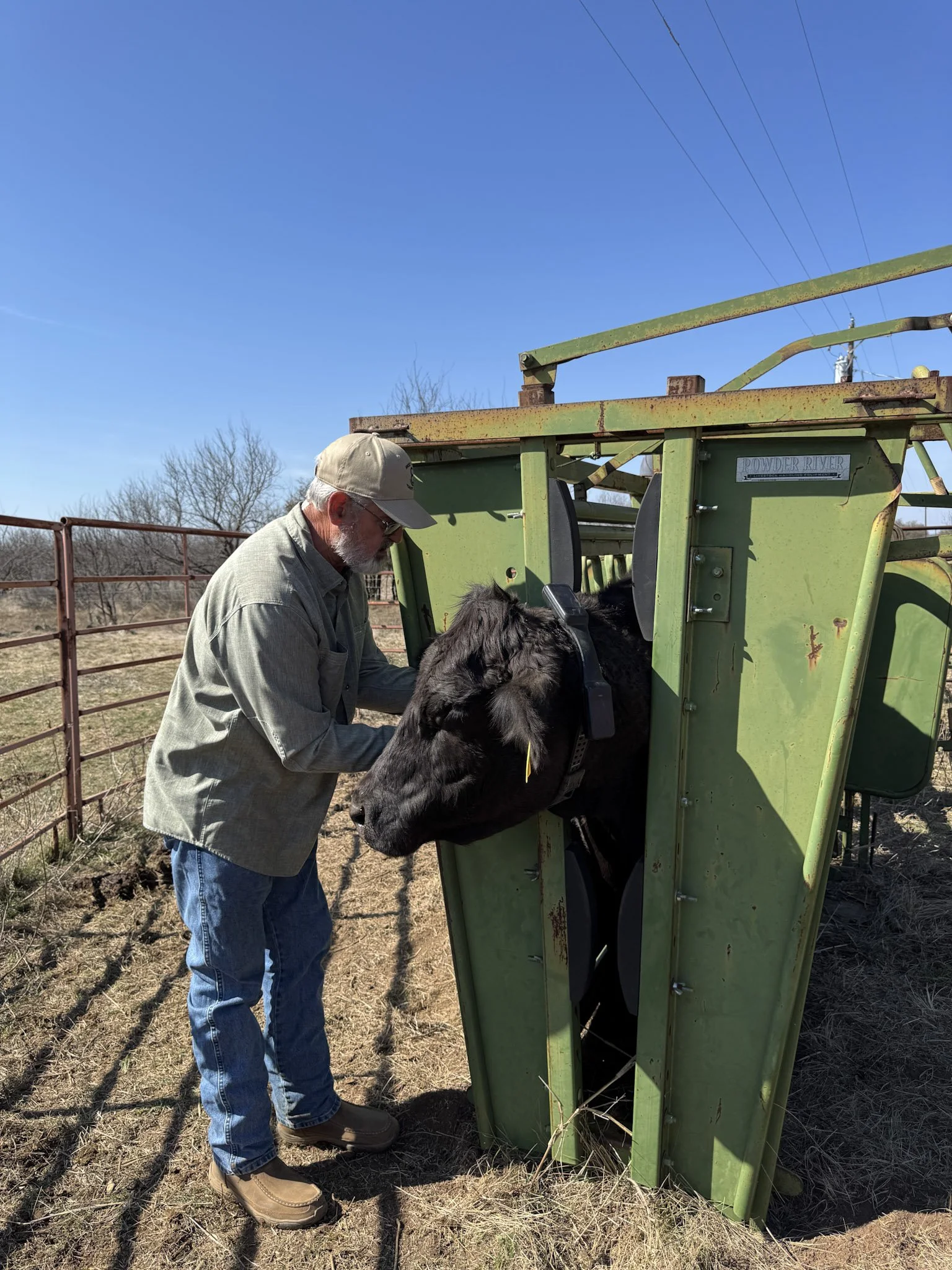
One major area of improvement has been connectivity. Early adopters will remember the frustration of dropped signals, delayed boundary updates, or collars that struggled to communicate in challenging terrain. Those pain points haven’tdisappeared entirely, but they are being addressed head on. GPS based systems have improved satellite handling, smarter onboard processing and better data buffering, allowing collars to function more reliably even when signal strength fluctuates. Radio based systems have benefited from stronger base stations, repeaters and more refined frequency management, reducing dead zones and signal distortion in less than ideal conditions (I believe we all have a few of those).
Another notable advancement is how much easier these systems are to set up and manage. Early versions often required a steep learning curve, especially when dealing with software, mapping tools or network configuration. Today’s platforms are far more intuitive, with streamlined apps, clearer diagnostics and better guidance when something isn’t working as expected. Producers no longer need to be tech experts to troubleshoot basic issues and support teams are getting faster and more proactive when problems do arise.
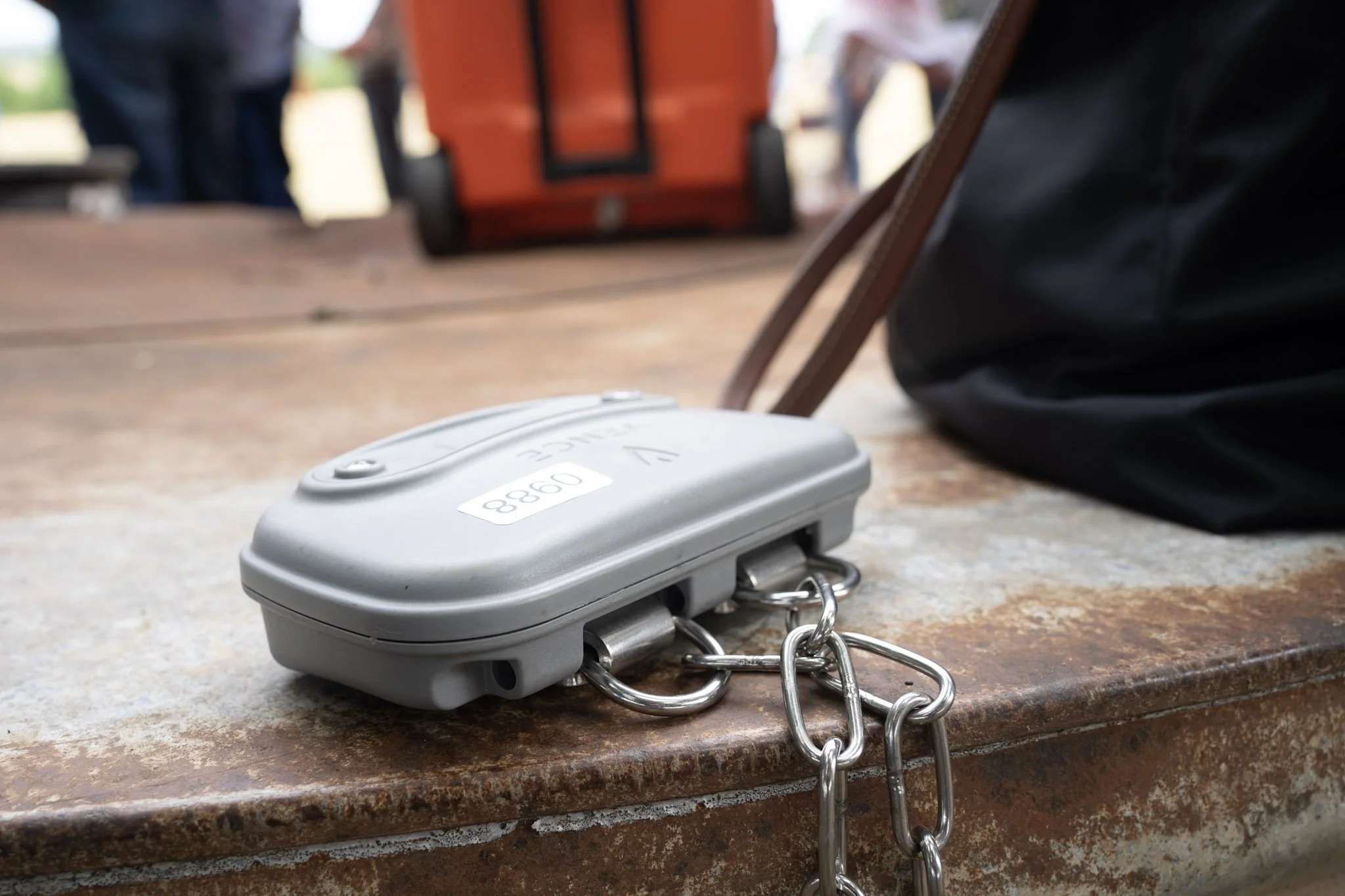
We are also seeing rapid expansion in features beyond simple boundary control. Health monitoring, activity tracking, grazing distribution insights and integration with other management tools are becoming standard rather than optional add-ons. Importantly, many of these features are being deployed through software updates rather than new hardware, meaning producers can benefit from improvements without replacing collars or base units every few years.
Virtual fencing is no longer standing still. While it’s still not a one size fits all solution and terrain will always matter, the technology is evolving quickly and becoming more resilient, flexible and user friendly. For producers who were hesitant early on due to connectivity or complexity concerns, it’s worth taking another look. The systems available today are far more capable than what was on the market just a few years ago and the learning curve is getting shorter with every update. In June, I will be hosting a training course in Asheville and will have virtual fencing representatives presenting and available to answer questions producers may have. If you are interested in learning more about this topic, please join us for this event.
Learn more and register today at https://natglcevents.zohobackstage.com/PastureReviltalizationwithChrisWorkman